

Early action on diabetes, at every step – Resource Hub
This year’s World Diabetes Day theme is Early action on diabetes. Acting earlier isn’t only about diagnosis – it’s about faster results, fewer repeat visits and better day-to-day management. This hub brings together practical resources for the teams who make that happen: product information, real-world evidence and insight on HbA1c, glucose tolerance and urine testing.
Why early action matters


Sources: Diabetes UK, 2024–25 registration data; IDF Diabetes Atlas, 11th edition (2025).
Diabetes care depends on regular, reliable testing – from first diagnosis to long-term monitoring. NICE recommends HbA1c every 3-6 months until a patient is stable, then every 6 months. Every delay between test and treatment decision is a missed opportunity to act.
Know the 4Ts of Type 1 diabetes
Too many children and adults are diagnosed with Type 1 diabetes only after becoming seriously unwell with diabetic ketoacidosis (DKA). Four simple signs can help families act sooner:
- Toilet – going to the toilet a lot, bed-wetting, or heavier nappies
- Thirsty – being really thirsty
- Tired – feeling more tired than usual
- Thinner – losing weight or looking thinner than usual
If any of these are present, contact a GP the same day or call NHS 111.


The 4Ts is a Diabetes UK awareness campaign.
Solutions for the diabetes pathway
From diagnosis to daily management, our diabetes range supports testing wherever it happens – in the GP surgery, the antenatal clinic, the community or at home.
MONITOR
- Results in under 6 minutes from a 1 µl finger-prick sample
- IFCC-certified method, a requirement of NICE guidelines
- Portable, with battery or mains power and HIS/LIS connectivity
- Suitable for all patients, including paediatrics, with multiple EQA schemes available

DIAGNOSE
- 75 g of glucose per 250 ml bottle, in line with WHO guidelines
- Approved for use in pregnancy and by breastfeeding mothers
- Pleasant raspberry flavour with low carbonation
- Long shelf life, no special storage, fully recyclable PET bottle
- Also available as powder sachets, and used as the glucose drink in Digostics’ GTT@home home testing kit

SCREEN
- Urisys 1100® analyser – reflectance photometer that reads Combur10 Test® UX strips under standardised conditions, with results stored, printed on the built-in printer and connectable to cobas POC IT
- Combur10 Test® UX strips – 10 parameters, read visually or on the Urisys 1100, and largely unaffected by ascorbic acid in the sample
- Combur-3 Test® strips – glucose, protein and pH, with results in under a minute

MANAGE
- 30 g sachet containing 10 g of carbohydrate
- Blueberry flavour, 100% vegan
- Slim enough for a bag, glovebox or coat pocket; stored at room temperature
- Packs of 8 sachets for clinical, pharmacy and wholesale supply

Case studies & Evaluation Reports

A Primary Care Network trialled point-of-care HbA1c on QuikRead go in its diabetes clinic. Over one month, the diabetes nurse tested every patient attending for review – 66 in total – and compared the results with the laboratory.
- Good correlation with laboratory results (Tosoh HPLC)
- HbA1c available during the review, so prescribing and treatment decisions could be made in the same appointment
- Fewer repeat appointments and less administration around diabetes check-ups
- Business case approved for the surgery to purchase its own QuikRead go
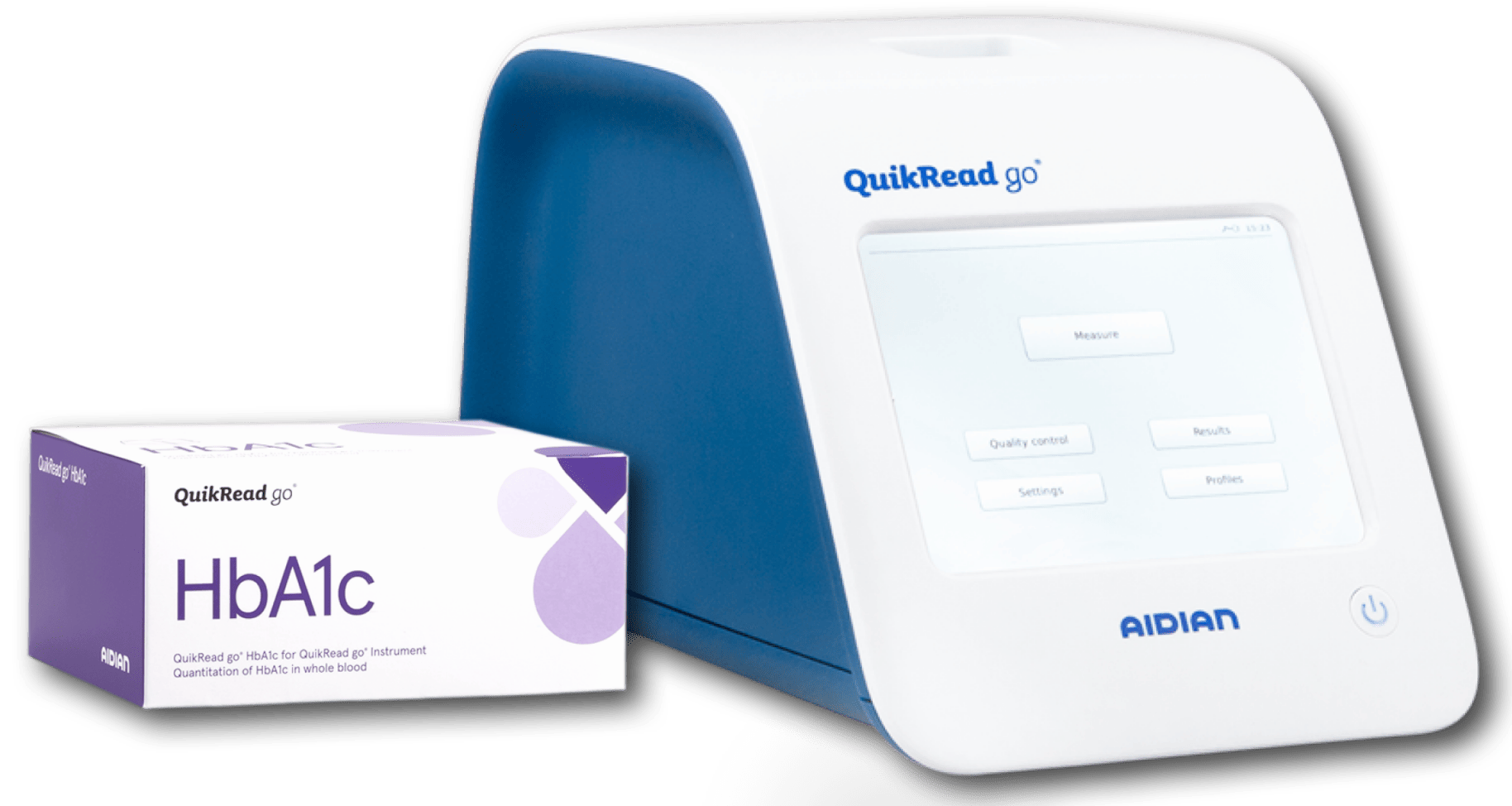
QuikRead go® HbA1c device evaluation report by POCT for SCOT
The QuikRead analyser has demonstrated its usability in the Point of Care setting and should be considered by anyone who wishes to add HbA1c testing to their Point of Care test repertoire.
Infographic

The HbA1c pathway: lab vs point of care
Same test, very different wait. See how a lab-based HbA1c pathway – blood test before the appointment, off-site lab, phone calls and a return visit – compares with a point-of-care pathway where the plan is agreed in the same visit.
From our blog

Unmanaged diabetes in numbers: the physical toll
The complications behind the statistics, and why regular monitoring matters.
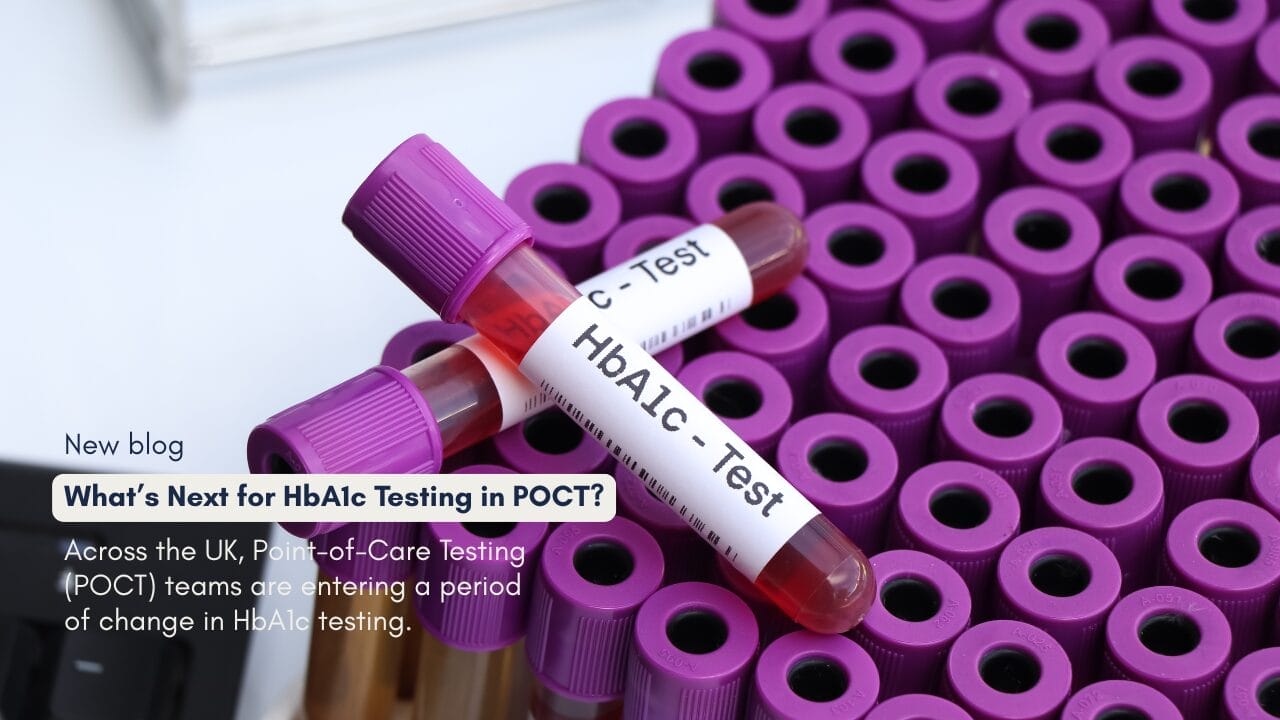
Preparing for change: what’s next for HbA1c testing in POCT?
Many POCT teams are reviewing their HbA1c service. What to look for beyond replacing an analyser: workflow, turnaround, sample requirements and total cost.

HbA1c where and when the patient needs it
Why patients miss diabetes reviews, and how taking the test to the patient can improve engagement.
